
Fed Chair Succession = US Stock Market Plunge?

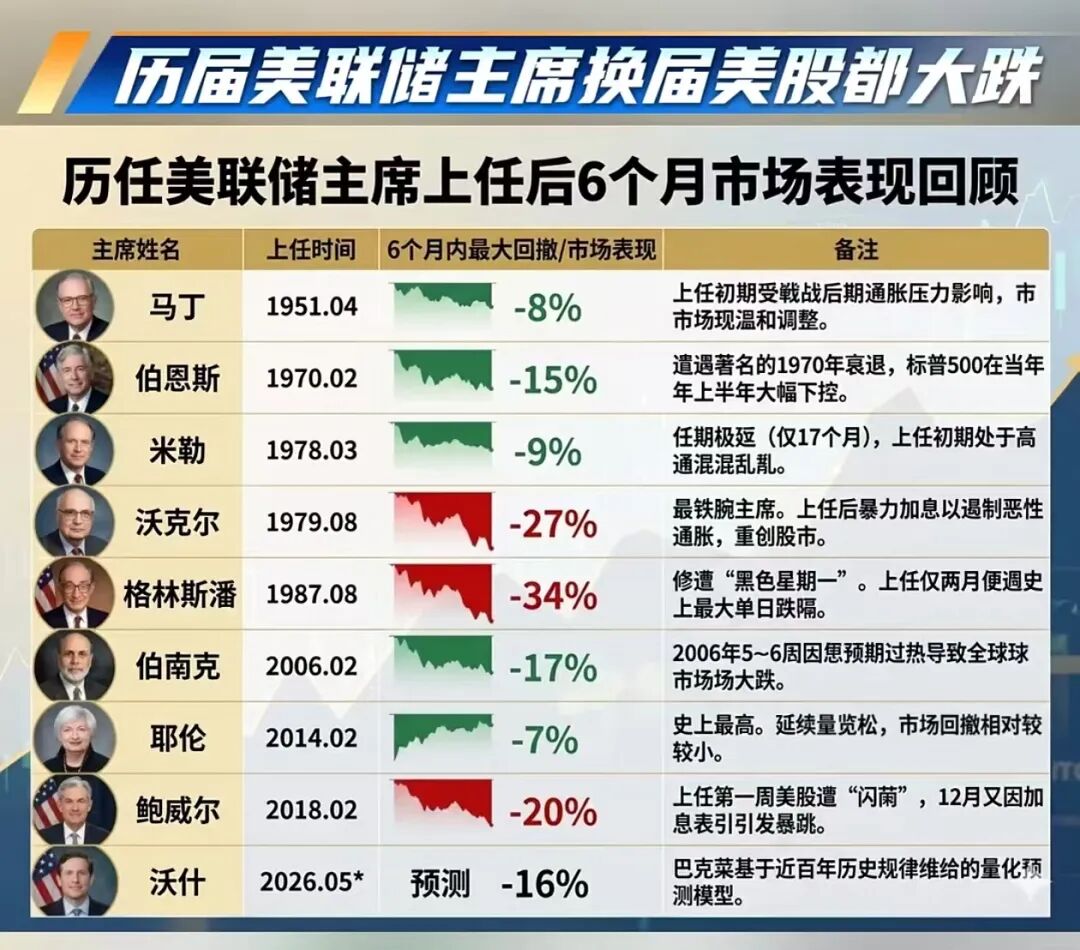
2. Take Powell as an example. He was sworn in on February 5, 2018, whereas the early 2018 flash crash occurred on January 26. Using calculation A, the maximum drawdown within six months of Powell’s appointment was 2.56%. Using calculation B, the max drawdown was 9.45%—both significantly lower than what’s shown in the chart.
3. Furthermore, regardless of which drawdown calculation is used, the maximum drawdown within six months of a Fed chair taking office is not significantly different from the maximum drawdown over any random six-month period in S&P500 history.
4. Using calculation A:
1) The maximum six-month drawdowns after the last seven Fed chair appointments are as follows:
Miller (1978-03-08): 0.00%
Volcker (1979-08-06): 4.25%
Greenspan (1987-08-11): 32.82%
Bernanke (2006-02-01): 4.58%
Yellen (2014-02-03): 0.00%
Powell (2018-02-05): 2.56%
2) Distribution of maximum S&P500 drawdowns over any six-month period in history:
10th percentile: 0.09%
25th percentile: 1.44%
75th percentile: 8.98%
90th percentile: 16.24%
The medians are nearly identical. Statistical tests for equality of means: t-test p=0.2870, Wilcoxon test p=0.3438; there is no significant difference.
5. Using calculation B
1) The maximum drawdowns for the last seven chairs within six months of taking office:
Burns (1970-02-01): 23.21%
Miller (1978-03-08): 17.12%
Volcker (1979-08-06): 13.31%
Greenspan (1987-08-11): 33.51%
Bernanke (2006-02-01): 7.70%
Yellen (2014-02-03): 12.38%
Powell (2018-02-05): 9.45%
2) Distribution of maximum S&P500 drawdowns over any six-month period in history:
10th percentile: 7.80%
25th percentile: 9.97%
75th percentile: 17.74%
90th percentile: 22.12%
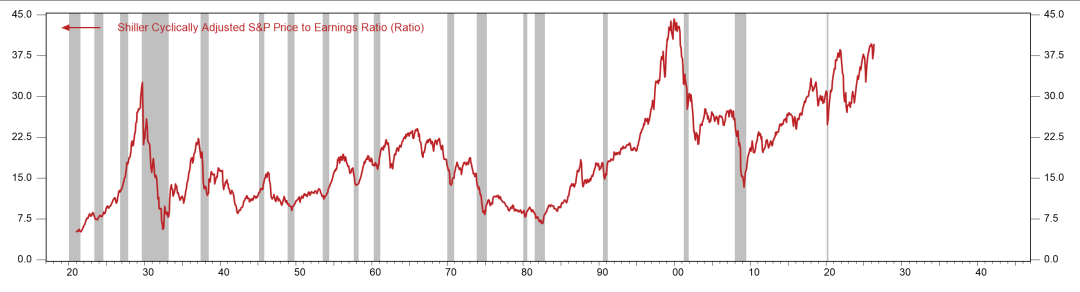
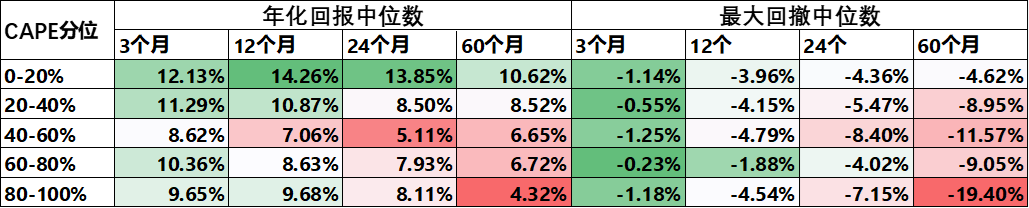
6. In summary, by historical pattern, significant drawdowns in U.S. stocks occur almost every six months, this is the historical norm, and the next six months will likely be no exception. Moreover, given that U.S. equity valuations are at historically high levels, future drawdown magnitudes may even exceed the historical medians.
Disclaimer: The content of this article solely reflects the author's opinion and does not represent the platform in any capacity. This article is not intended to serve as a reference for making investment decisions.
You may also like
ZEUS pulls infrastructure offline after hack, third Lightning outage in a week
Q2 revenue and guidance below expectations, AppLovin plunges after hours! CEO says AI large model upgrade "came a step late"
The financial report shows that second-quarter revenue was $192 million, and the third-quarter performance guidance was slightly below Wall Street expectations. The CEO candidly stated that this quarter's performance "fell short of the standard," mainly due to a significant delay in major AI model upgrades during the second quarter (which was only a matter of timing), but the business has already re-accelerated in the third quarter. Management is confident that the company will maintain a 30% compound annual growth rate over the next decade, and stated that in order to drive model performance and generate more absolute revenue, they will continue to firmly increase investment in AI computing power.
 VIPWeekly Strategy rSPCX

Why has Dr. Copper been surging recently?
Crypto prices
More


