
The more powerful the AI model, the more valuable storage becomes? OpenAI Astra reignites the “storage chip trade”

The release of OpenAI's latest flagship model, Astra, has once again ignited the market's enthusiasm for AI computing power infrastructure, with storage chips becoming one of the first sectors to benefit.
Author: Li Jia
Source: Wallstreetcn
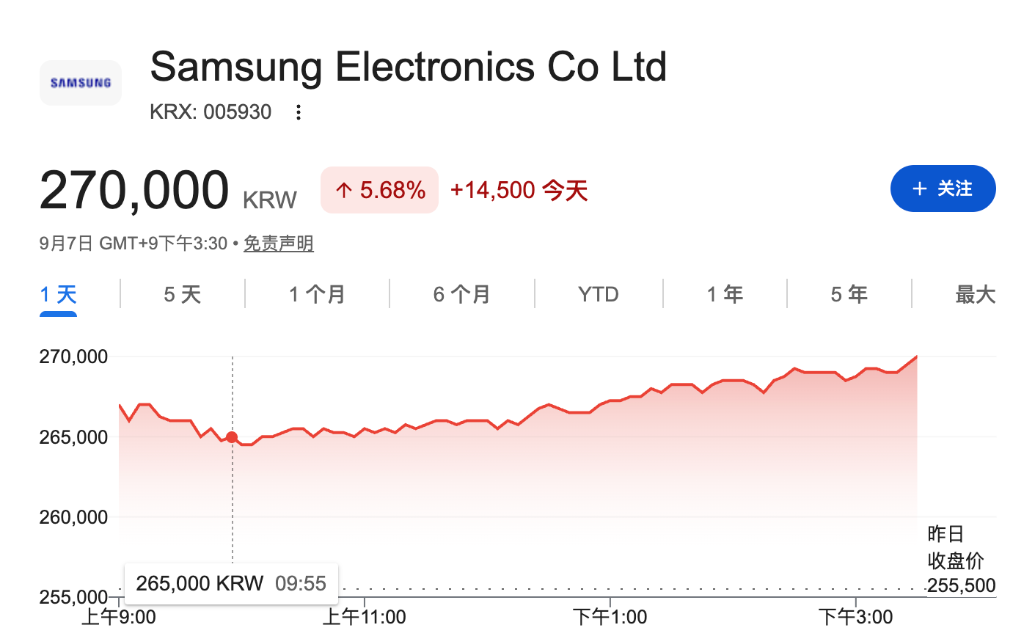
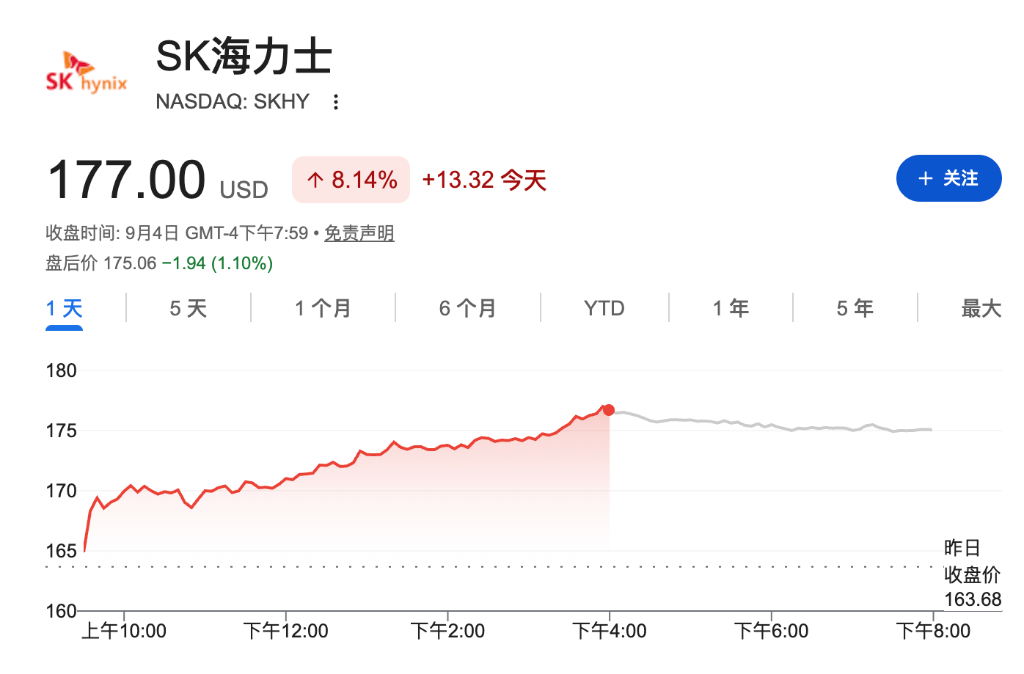
Last Friday, US semiconductor stocks collectively strengthened, and this Monday the rally further spread to the Asian market. Leaders in storage chips such as Samsung Electronics, SK hynix, and Kioxia Holdings saw significant increases.
ChatGPT-6 Astra was launched in two batches last Thursday and Friday. OpenAI President Greg Brockman described it as “the world’s smartest and most aligned model.”Because Astra targets more complex AI tasks, the market is further betting that the ongoing iteration of cutting-edge models will drive growth in computing power demand, supporting core hardware needs such as HBM, DRAM, and GPUs.
This expectation was quickly reflected in stock prices. Micron Technology rose more than 6% last Friday, SanDisk nearly 12%, and SK hynix’s Nasdaq depositary receipts gained over 8%. On Monday, the Asian market continued the rally, with SK hynix up about 8%, Samsung Electronics up more than 5%, and Kioxia up about 10%.
Institutions believe that,as AI model capabilities continue to improve, demand for computing power is still rapidly expanding, and the bottlenecks in storage and networking may become even more pronounced. “Storage chip trading” is expected to once again become a key theme in AI infrastructure trading.
Expansion of AI computing power brings storage chips back into focus
The rally brought by Astra is not just about the launch of a single model, but about the market once again realizing that as AI model capabilities continue to rise, there will still be corresponding higher demand for computing power and storage.
Charu Channa, Chief Investment Strategist at Saxo Bank, pointed out thatthe release of Astra further supports the continued growth of AI spending. As cutting-edge models increase requirements for computing power, bottlenecks in storage and networking are expanding, which will benefit storage chip manufacturers like SK hynix and Samsung Electronics.
Analysts from Goldman Sachs and Morgan Stanley estimate that global AI capital expenditure will reach $1.3 trillion to $1.5 trillion by 2027, with more than half going toward memory construction. If this trend continues, storage products such as HBM and DRAM are expected to keep benefiting from the expansion of AI computing power.
Meanwhile, Tim Moe, Chief Asia Equity Strategist at Goldman Sachs, reiterated his target of 12,000 points for the Korean stock index by year-end, noting that earnings expectations for the Korean market are still being revised upward, with this week’s increase reaching 3.2%. He also emphasized that foreign investor holdings in Korea’s semiconductor sector remain significantly below the historical average.
Previously, discussions around the semiconductor “super cycle” focused more on whether AI capital expenditures could be sustained and whether chip manufacturers could maintain high growth and profitability. Now, as the new generation of AI models continues to push up demand for computing power,storage is once again becoming an important beneficiary in AI infrastructure trading.
The more capable the model, the higher the computing power required, and the greater the demand for storage. The release of Astra is reigniting this investment logic.
Disclaimer: The content of this article solely reflects the author's opinion and does not represent the platform in any capacity. This article is not intended to serve as a reference for making investment decisions.
You may also like
Michelin launches BIB'Action 2026 employee share plan with 30% discount at EUR 24.26 per share
BlackRock voting stake in Retail Estates rises above 3% threshold
Securitize to Help Develop Dubai’s Regulated Tokenized Asset Market
Kruso Kapital forms financial group after deconsolidation from Banca CF+ group
Crypto prices
More


