- Solana targets consumer crypto applications, combining fast transactions with higher potential and greater volatility.
- Ethereum powers DeFi and tokenization, providing exposure to programmable blockchain infrastructure.
- Bitcoin offers scarcity and institutional access, making BTC a strong long-term store-of-value option.
Choosing cryptos for long-term gains requires more than chasing short-term price moves. Investors need assets with strong use cases, deep liquidity, and lasting demand. Bitcoin, Ethereum, and Solana offer three distinct approaches to crypto exposure. Bitcoin provides a store-of-value thesis and institutional access. Ethereum supports decentralized applications and tokenized assets. Solana focuses on fast, affordable applications for everyday users. Together, these three projects offer exposure to different parts of crypto.
Solana (SOL)
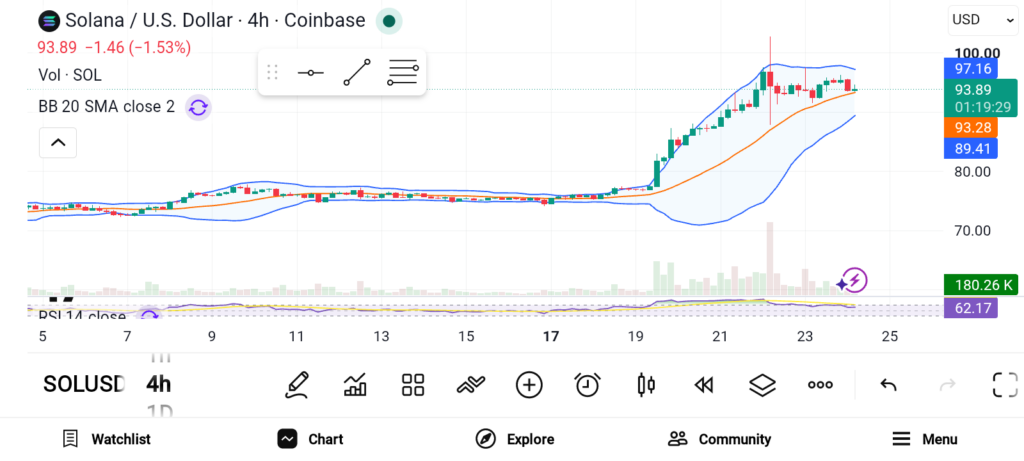 Source: Trading View
Solana offers exposure to fast and inexpensive blockchain applications. The network targets retail DeFi, NFTs, payments, and consumer-focused crypto products. Low transaction costs can create a smoother experience for everyday users. However, cheap transactions alone do not guarantee long-term network strength. Solana needs sustained demand from developers, users, and applications. Strong activity across multiple market cycles would provide stronger evidence of lasting adoption. Solana also carries higher volatility and ecosystem concentration risks. Investors should account for those risks when building long-term positions. Still, successful consumer applications could strengthen Solana’s investment thesis significantly.
Ethereum (ETH)
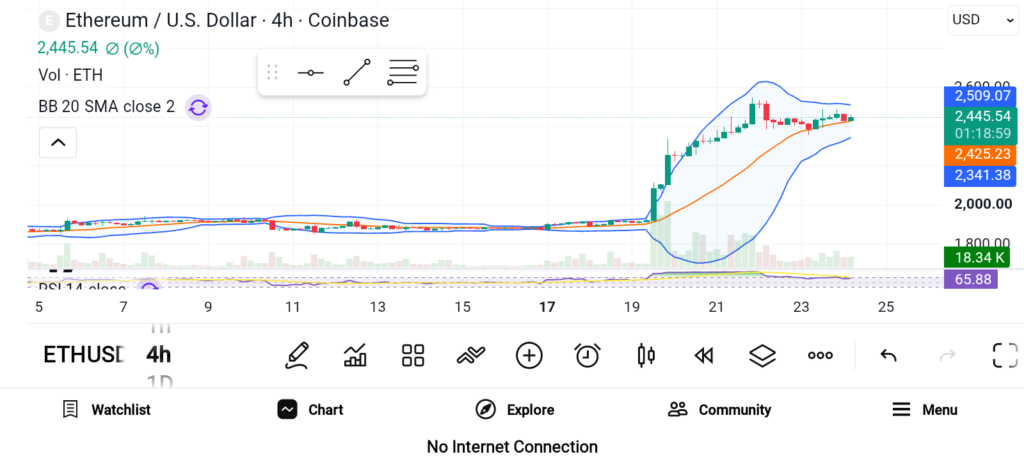 Source: Trading View
Ethereum offers a different investment thesis from Bitcoin. The network provides infrastructure for DeFi, tokenization, stablecoins, and smart contracts. Ethereum therefore gives investors exposure to programmable blockchain infrastructure. Long-term demand depends heavily on activity across the Ethereum ecosystem. Lending platforms, decentralized exchanges, and stablecoins can generate demand for network settlement. Real-world asset tokenization could also expand Ethereum’s role in financial markets. Institutional smart contracts may further increase demand for Ethereum’s security. Layer-2 networks also expand Ethereum’s reach across the blockchain economy. Rollups can increase transaction capacity while supporting larger developer communities.
Bitcoin (BTC)
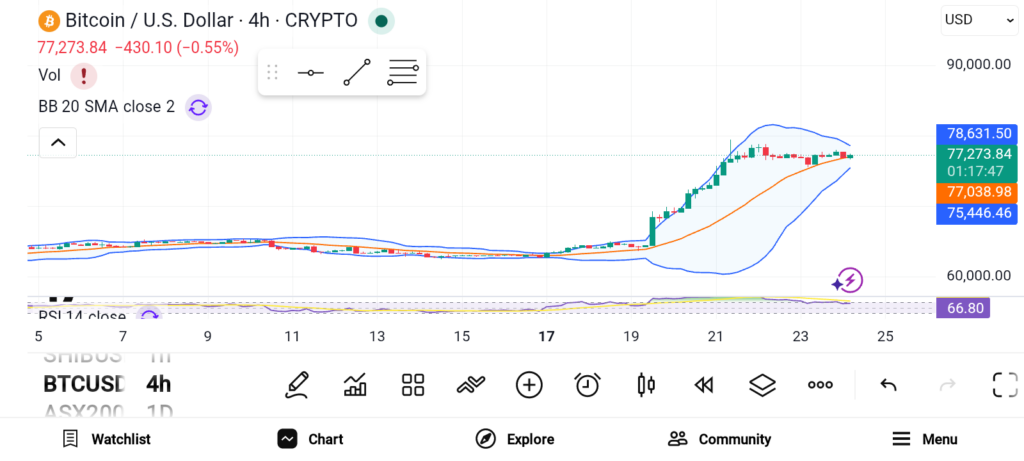 Source: Trading View
Bitcoin remains a strong choice for investors seeking long-term crypto exposure. The network’s fixed supply supports the scarcity argument behind the asset. Bitcoin also benefits from a long operating history and strong network security. These factors strengthen the store-of-value case over longer periods. Institutional adoption provides another important source of demand. Spot Bitcoin ETFs have made regulated exposure easier for large investors. Qualified custodians also reduce operational challenges for institutional buyers. Bitcoin maintains some of the deepest liquidity across digital assets. Those advantages can help Bitcoin absorb substantial institutional capital over time. Bitcoin also carries a different risk profile from many altcoins. Investors often view BTC as a macro hedge during periods of uncertainty. The asset can also serve as a portfolio anchor during volatile market cycles. Still, Bitcoin remains highly volatile and can experience significant drawdowns.
Bitcoin offers scarcity, liquidity, and growing institutional access for long-term investors. Ethereum provides exposure to DeFi, tokenization, and programmable settlement infrastructure. Solana targets high-speed consumer applications with greater risk and potential upside. Holding all three can provide exposure to different parts of the crypto economy.