
Deflation Continues to Intensify | DMD Destroys 34,764.93 Tokens Over the Past 7 Days

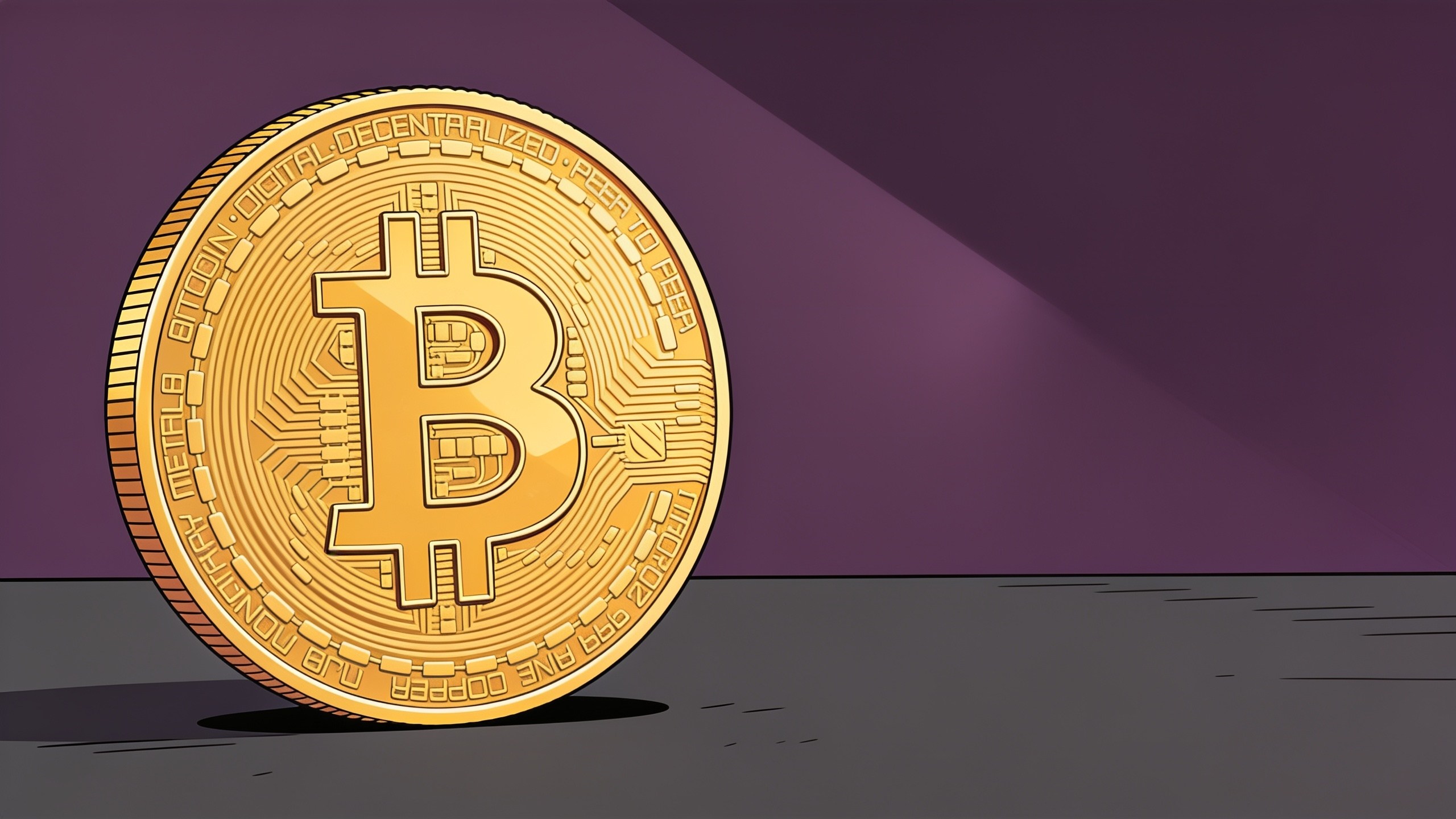
On May 28, 2026, according to the latest on-chain data from DMDAO, DMD—a decentralized matrix market-making protocol—has completed a cumulative on-chain physical burn of 34,764.93 DMD tokens over the past 7 calendar days. This round of burning was jointly driven by a triple internal-loop mechanism consisting of "transaction tax + freeze tax + liquidity pool deflation," resulting in a continuous boost in deflationary efficiency.
The further expansion of this burning round implies that DMD is accelerating its convergence toward its ultimate hard cap of 1,000,000 tokens, pushing for extreme scarcity. As on-chain trading, matrix wealth management withdrawals, and the protocol's internal resonance mechanism continue to operate, market circulating supply is being continuously compressed, and the overall circulation structure has entered a deeper phase of tightening.
Meanwhile, the consistent growth in burn data directly reflects the underlying market-making system's capacity for high-frequency spread capture and its genuine business revenue performance. Based on the Euler linear deflation model, as the total circulating supply continuously decreases, the algorithmic weight and value-bearing capacity of the remaining tokens enhance synchronously, establishing a long-term, structured gain logic.
DMDAO stated that the deflation of DMD is not driven by market sentiment, but rather built upon a long-term mechanism rooted in real transaction flows, on-chain market-making revenue, and automated algorithmic execution. Under the framework of "Code is Law," every single burn record serves as an on-chain proof of the protocol's economic model in continuous operation.
Deflation continues, structure reshapes. The DMD global algorithmic deflationary system is now fully entering deep-water territory.
Disclaimer: The content of this article solely reflects the author's opinion and does not represent the platform in any capacity. This article is not intended to serve as a reference for making investment decisions.
You may also like
Analyst Gu Jingci: Follow the trend and adapt flexibly
XRP Ledger adds account control feature, enabling enterprises to manage assets offline.

BUZZ - Goldman Sachs says the price cap on cancer drugs has limited impact on Indian hospitals
October 9 – Goldman Sachs pointed out that India's implementation of a 30% profit margin cap on non-scheduled anticancer drugs (link) will have limited impact on hospitals. The report states that, based on preliminary discussions with hospital chain groups, such drugs account for less than 5% of hospital revenue and 2% to 2.5% of operating profit. The report adds that hospitals can offset the losses by slightly adjusting service charges, such as administration fees. According to a government notice, an expert committee will finalize the list of drugs to be brought under regulation. Driven by the anticipated price cap, the share prices of Max Healthcare MAXE.NS, Apollo Hospitals APLH.NS, and Fortis Healthcare FOHE.NS rose by 1.6% to 2.5%. Previously, since September 30, these stocks had collectively declined by 11% to 11.5%. Year-to-date, FOHE and MAXE are down 11.7% and 14.8%, respectively, while APLH has risen by 11%. (To assist non-English speakers, Reuters provides automated translations of its reports into several other languages. Due to potential errors or missing context in automated translations, Reuters does not guarantee the accuracy of automatic translation texts and offers them solely for readers’ convenience. Reuters accepts no responsibility for any damage or loss caused by using these automated translation features.)

Adding insult to injury! Japanese electronics giant Nidec downgraded by UBS, stock price plunges over 9% and approaches an 11-month low
UBS has downgraded Nidec's rating from "Buy" to "Neutral" and lowered its target price from 2,800 yen to 2,400 yen, citing a more challenging market environment.
Crypto prices
More


