
SPK (Spark) 24-hour volatility reaches 41.3%: Aave TVL outflows migrate in and buying volume surges in synergy
 Bitget Pulse2026/04/22 15:14
Volatility Overview
In the past 24 hours, SPK price rebounded from a low of $0.0258 to a high of $0.036461, currently quoted at $0.03626, with an amplitude of 41.3%, showing a strong V-shaped reversal. Trading volume increased significantly, with 24-hour turnover reaching about $61.7 million, a notable rise compared to the previous day; signs of net capital inflow appeared, Coinbase spot buying volume surged by 3.55%, and OKX spot rose by 6.57%.
Brief Analysis of the Cause of the Abnormal Move
• Aave suffered from bad debt related to rsETH/KelpDAO, causing its TVL to drop by 7.52% in the past 24 hours, triggering capital outflows, while Spark TVL increased by 8.52% during the same period; whale funds migrated from Aave to the Spark USDC deposit pool (TVL reaching $467 million).
• Buying volume saw an unusual surge, with Coinbase buy volume reaching 6.8 times within 15 minutes, driving a rapid price spike. On-chain data shows Spark maintains high liquidity with no bad debts exposed.
Market Views and Outlook
The mainstream sentiment in the community is bullish, viewing the abnormal move as a direct benefit from the Aave incident. Tools such as Finora AI predict a short-term target of $0.0286-0.029, emphasizing waiting for confirmation of $0.0268 support before re-entering long positions. Some opinions warn of selling pressure risk; if $0.0255 support is broken, the outlook turns bearish. Analysts are optimistic about the Spark Sky ecosystem endorsement and stable yields, but caution that DeFi system risks should not be ignored.
Note: This analysis is automatically generated by AI based on public data and on-chain monitoring and is for informational reference only.Disclaimer: The content of this article solely reflects the author's opinion and does not represent the platform in any capacity. This article is not intended to serve as a reference for making investment decisions.
You may also like
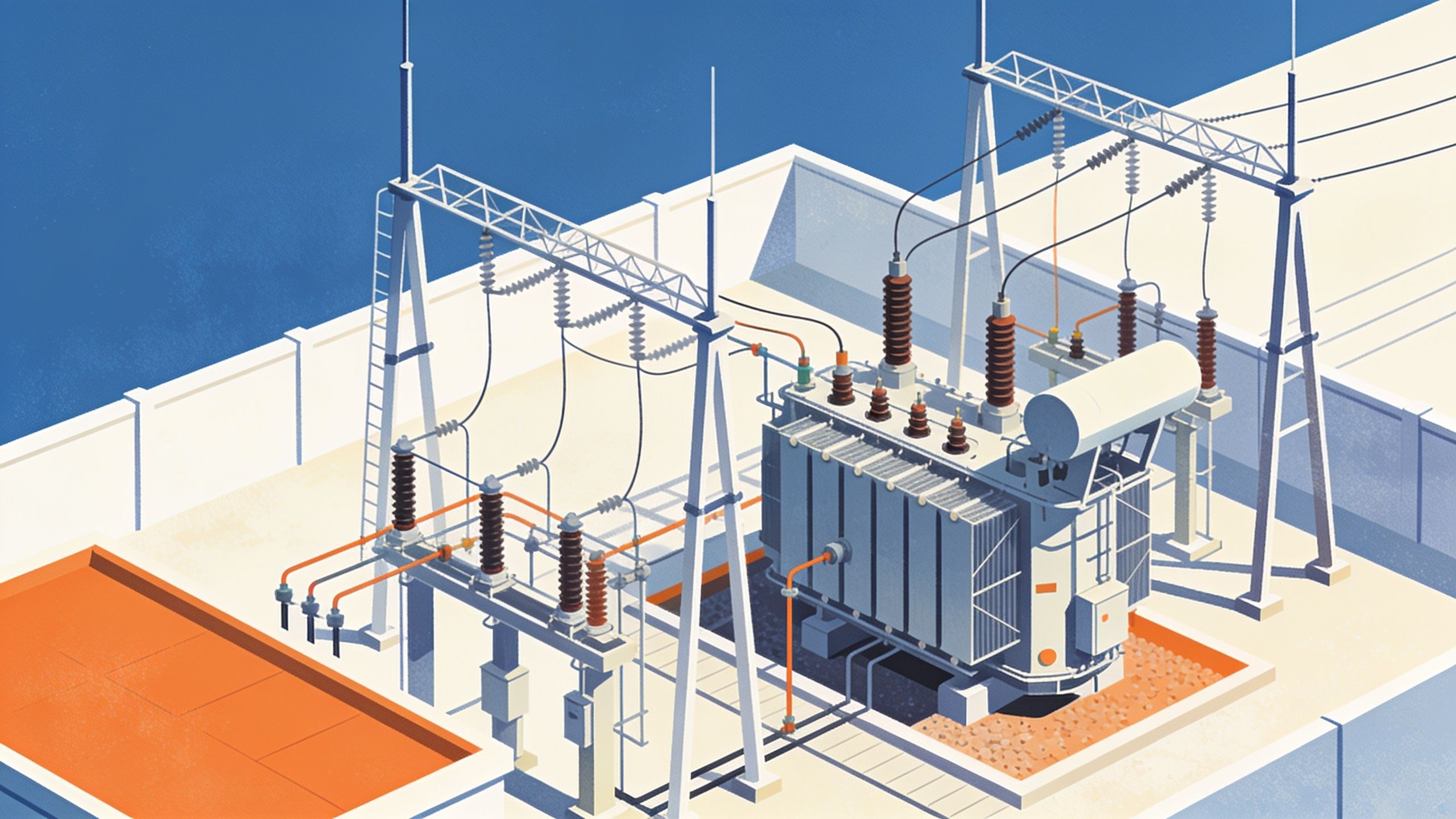
From "Powering AI" to "Powering Everything"! Morgan Stanley: The electricity "super cycle" is underestimated by the market
Morgan Stanley believes that the drivers of electricity demand have expanded from AI to three major forces: industrial migration and air conditioning refrigeration. Global electricity consumption is projected to reach 36 trillion kWh by 2030, with an annual growth rate of 4.2%. Asia will absorb 64% of the newly generated electricity demand. Fossil fuels have unexpectedly regained market share and are expected to still account for about 50% of the global power structure in 2030. Pricing power is shifting from equipment manufacturers to power generation operators, with wholesale electricity prices in major markets expected to rise by about 20% year-over-year in 2026. These trends will create $500 billion in wealth, driving related companies’ earnings per share forecasts up by 14% by 2028, while the market has yet to fully price in these changes.
JPMorgan's Latest Macro Outlook: Continue Betting on U.S. Yield Curve Steepening and High-Yield Currencies, Beware of Oil Market Supply-Demand Divergence
JPMorgan recently released a research report providing an outlook on the macro environment, including global interest rates, foreign exchange, commodities, and emerging markets.
Euro remains on defensive below 1.1200 as USD stabilizes ahead of US midterm elections
Intel's stock price plunges 45% in one month; PCs still account for about half of the company's revenue, and foundry customers' confidence is shaken
The ongoing weakness in the Intel PC market and high costs for components such as memory are the main reasons, with the PC business still accounting for about half of total revenue. To alleviate the capacity shortage in data centers, Intel is shifting part of its Oregon factory production from the 18A process to the Intel 3 process, putting foundry trust to the test once again. Experts say that if Intel does not have excess capacity beyond meeting its own needs, it cannot be considered a reliable supplier.
Crypto prices
More


