
Korea's leading RWA project Piggycell, Piggy Night live event demonstrates popularity: Establishing a "usage-driven RWA" paradigm through data and accountability

Heavy rain can't dampen the enthusiasm.
Original Source: Piggycell
Piggy Night on September 16 was packed, with RWA frontrunner Piggycell receiving dual endorsements from institutions and the community.
Banks and financial groups attended to show support, and Galxe co-founder sent congratulations; leveraging Korea’s leading mobile power bank sharing infrastructure as a foundation, Piggycell showcased an RWA model of “on-chain usage data.”
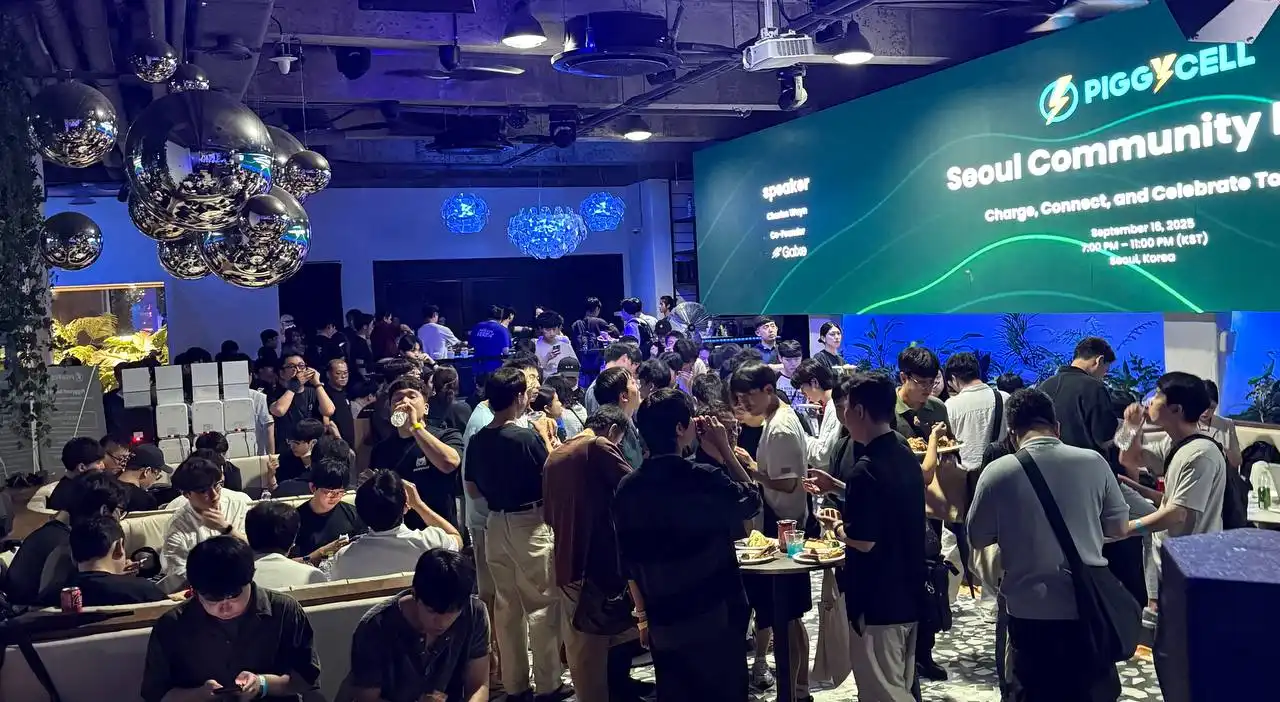
In Seoul, despite the rain, Piggy Night on September 16 was filled to capacity. In addition to Korean KOLs, holders, community members, and investors, several traditional financial institutions (banks/financial groups) were present to support Piggycell, which is regarded as a representative RWA project in Korea; the co-founder of Galxe also sent special congratulations.
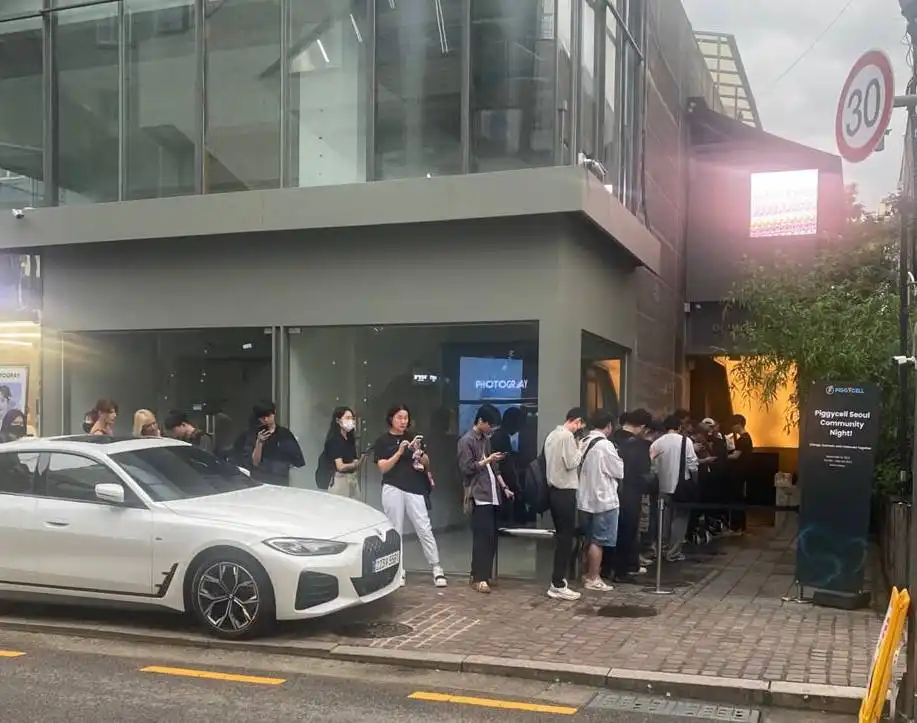
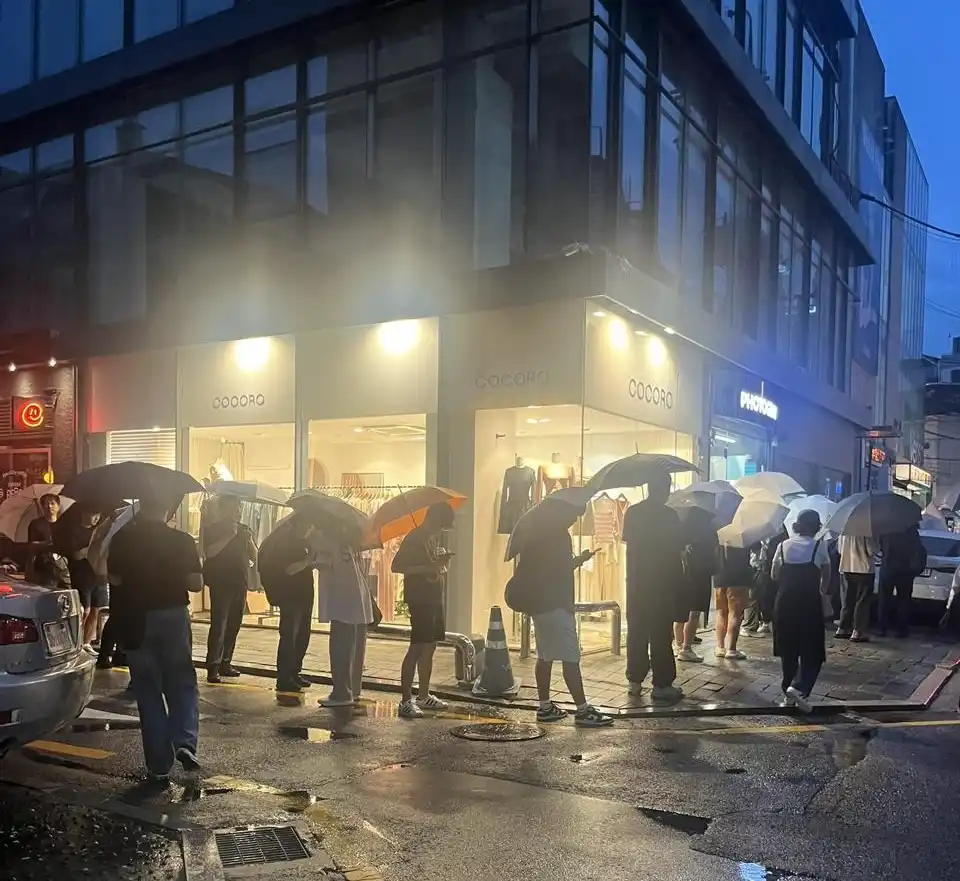
During the event, Piggycell publicly shared its vision, roadmap, and current status. All core members appeared with real names and in person, engaging in face-to-face communication with the community, thereby narrowing the distance, enhancing understanding and emotional connection, and demonstrating transparency and accountability to prove the project is not a so-called “scam.” The event also showcased the expectations and support of Korean users for Piggycell.
The model’s highlight lies in the on-chain verifiability of real usage data:
Charge-to-Earn: Earn continuous incentives during the rental period based on charging duration, with relevant data verifiable on-chain;
Dominate-to-Earn: Issue device NFTs by region, distributing real income to holders through a transparent mechanism.
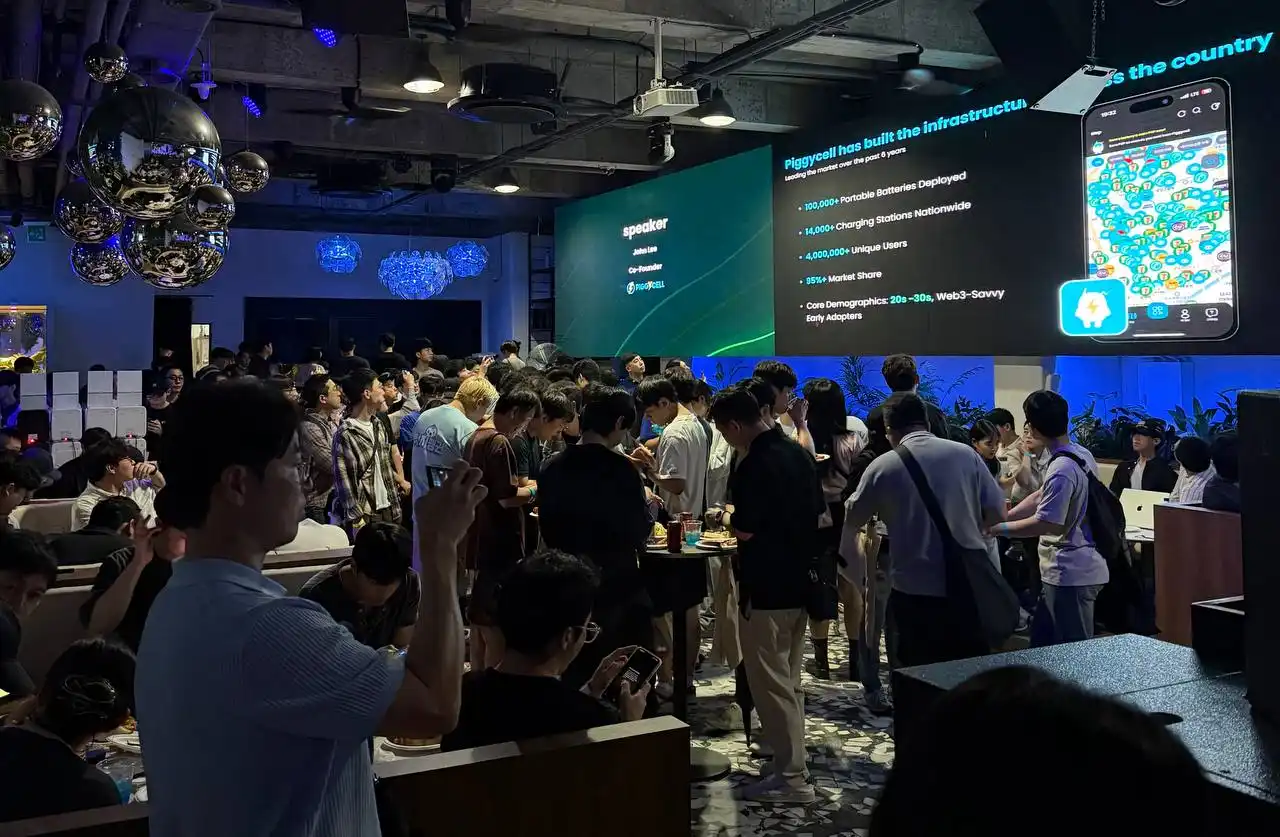
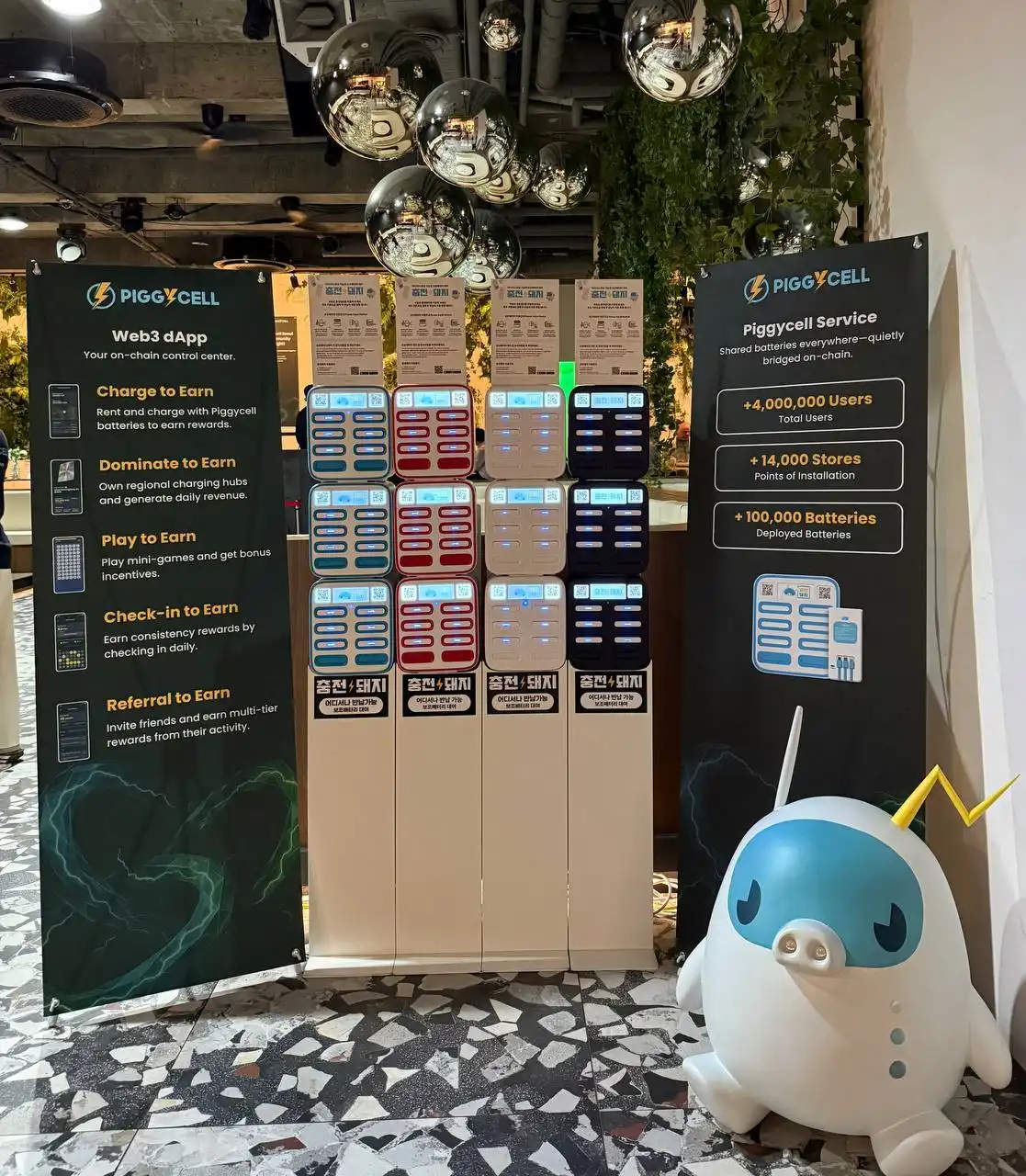
This model helps to repair the information asymmetry in the traditional sharing economy and introduces Web2 users into Web3 in a more natural way. Relying on a nationwide shared mobile power bank infrastructure and long-term accumulated data, Piggycell aims to establish an “usage-driven RWA” industry paradigm.
In addition, during KBW, Piggycell also supported several events, such as KBW2025, and will participate in/co-host XRPSeoul2025 (hosted by Ripple), K-INFRA, and other side events, continuously expanding its ecosystem cooperation.
Disclaimer: The content of this article solely reflects the author's opinion and does not represent the platform in any capacity. This article is not intended to serve as a reference for making investment decisions.
You may also like
Swiss Franc struggles as SNB dovish stance lifts USD/CHF
SUI SuperTrend Buy Signal Flashes — Last Time It Appeared, SUI Rallied 77.53%
Has the return on Amazon's massive AI capital expenditure been underestimated by the market?
Amazon is trading at 29 times expected earnings, lower than Walmart’s 37 times, even though its revenue growth rate is three times that of Walmart. This inversion reflects deep market concerns over whether AI capital expenditures will deliver as anticipated. AWS CEO Matt Garman revealed that AWS’s annual revenue has reached $160–170 billion, with a growth rate of 37%. Enterprise cloud migration, AI-native startups, and intelligent agent workflows are simultaneously driving three growth curves.
TSMC’s $2 Billion Silicon Interposer Order Given to GlobalFoundries, Key CoWoS Components to be Produced in the U.S. for the First Time
This move marks the official extension of a key link in the AI packaging supply chain to the United States. Analysis indicates that the five-year long-term contract reflects TSMC's strong long-term outlook for silicon interposer demand. Meanwhile, Taiwanese companies UMC and PSMC are actively expanding capacity to compete for orders, but this major order has been secured by GlobalFoundries, meaning that American production capacity will become a new factor in the silicon interposer market landscape over the next five years.

Crypto prices
More


